Dandruff in early adolescence is driven by Malassezia yeast thriving in hormonal, sebum-rich scalp environments that emerge during early puberty. This scalp care guide explains how to restore the scalp microbiome using targeted antifungal shampoos, avoiding common scalp hygiene mistakes that aggravate flaking and itching.
Learn parameters of acne pathology, oily skin science, dandruff hygiene, and preventative routines under clinical supervision.
A clinical-focused curriculum designed to build practical confidence and medical safety.
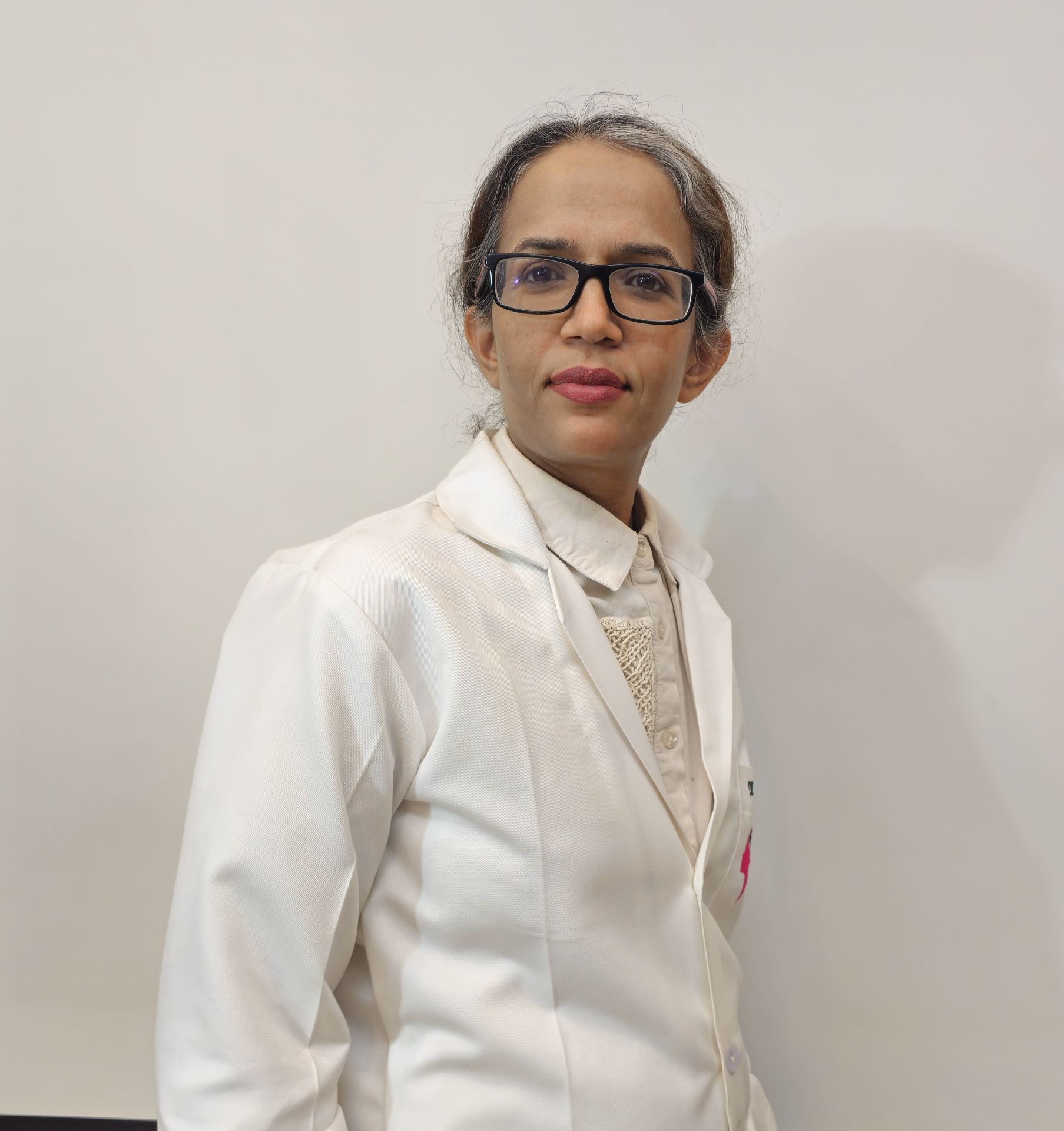
MBBS, DDVL (Dermatologist) | Founder & Lead Faculty
"At Skin Confidence Academy, our mission is to deliver comprehensive, clinical-grade medical training that bridges the gap between textbooks and daily practice. We prepare you to offer dermatologist-approved skin, cosmetology, and laser solutions with high-precision safety and clinical excellence."
View Mentor ProfilePuberty triggers hormonal changes that increase sebum (oil) production on the scalp. This creates an abundant food source for Malassezia, a yeast naturally present on the scalp, leading to rapid yeast growth and oily dandruff flakes.
Wet hair, apply shampoo directly to the scalp, and massage gently. Do not rinse immediately—leave it on for 5 to 7 minutes to allow the active ingredients to target the yeast, then rinse thoroughly.
No. Oils like coconut or olive oil feed the Malassezia yeast, worsening dandruff. While oiling might temporarily plaster down flakes, it ultimately feeds the yeast and worsens scalp flaking and itching.
Dry scalp produces small, dry, white flakes and is accompanied by dry skin elsewhere. Dandruff produces larger, oily, yellow-white flakes and is caused by excess sebum and yeast growth on the scalp.
Fill out the form below and our career advisors will call you back within 24 hours.